
Pet Boarding Enquiries
AI Chatbot for Pet Boarding: Answer the Questions Behind the Packing Bag
Pet boarding customers need more than a room price. Help owners understand what to bring, share routines and resolve first-stay questions before drop-off.

Reply.my Editorial Team
Practical guidance reviewed for clear implementation steps, responsible AI boundaries and honest claims. How we prepare our guides.
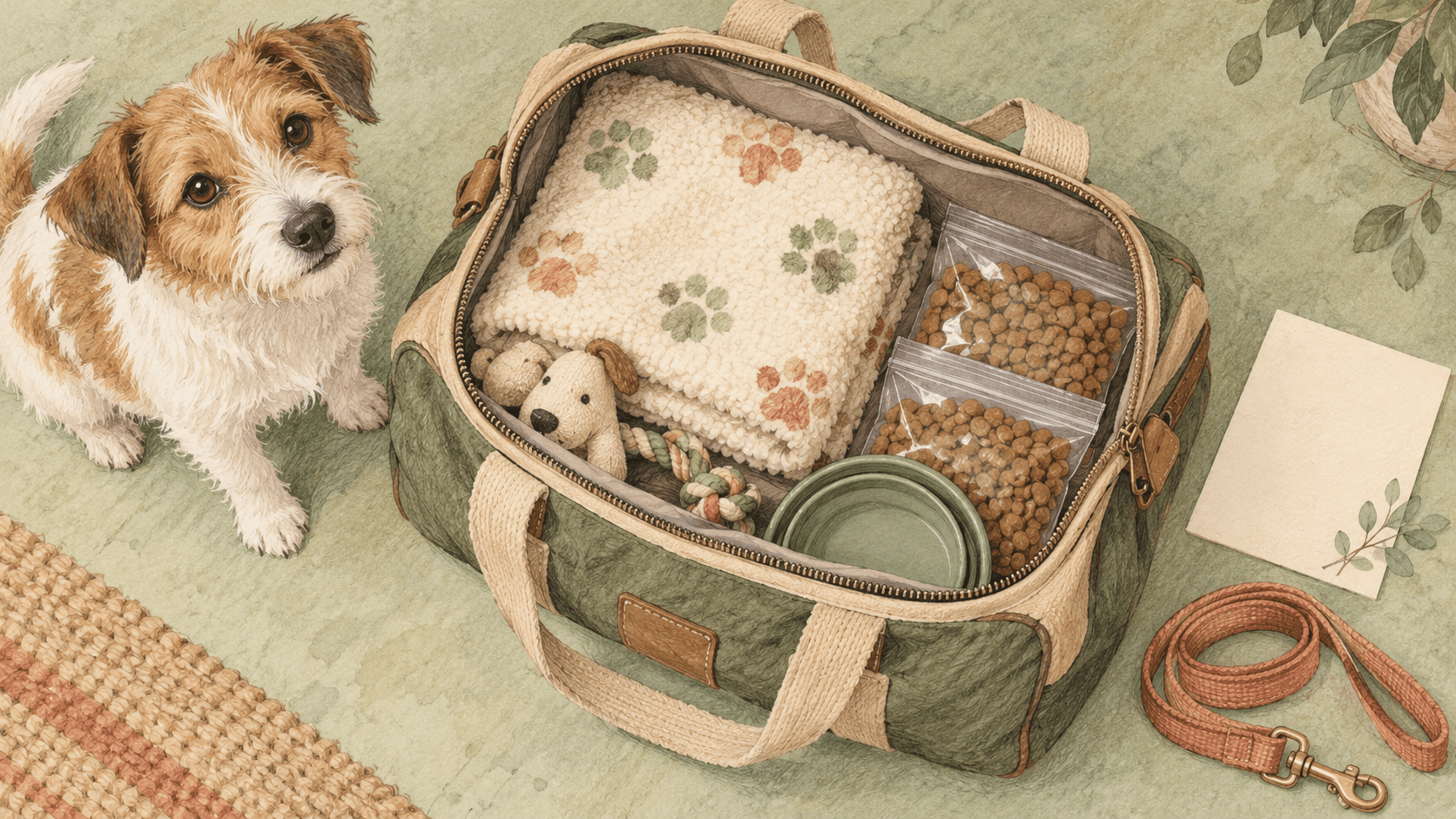
The room enquiry looks simple: one dog, three nights. Then the owner asks whether they can bring cooked food, whether the familiar blanket is allowed and who will send an update. Your receptionist has answered the price question, but the owner is still deciding whether to trust you with the stay.
For a pet boarding business, these are not distractions from a booking. They are part of the buying decision. When the answers sit in different chats, staff may only discover an important routine or unresolved request at drop-off.
An AI chatbot for pet boarding can explain your approved preparation information and help collect the questions your team needs to review before a stay. It should make the conversation easier to continue—not decide whether an animal is suitable for boarding or promise care your team has not agreed to provide.
Open the packing bag in the conversation, not at reception
Think about the last first-time guest whose check-in took longer than expected. Was the owner missing an item, carrying something you could not accommodate, or expecting a routine nobody had discussed? Those moments point to questions your earlier replies could have answered.
A practical packing answer explains what your business supplies, what the owner should bring and what needs staff approval. Avoid the reassuring but vague ‘everything is provided’ unless that genuinely describes your offer. An owner may hear food, bedding and every personal requirement inside that sentence.
The details vary between businesses. For example, 88 Pets Mart's dog hotel information distinguishes food from the boarding fee, describes food-storage facilities and explains which familiar belongings owners can bring. That is a concrete example of useful preparation information, not a standard every boarding business follows or a claim that it uses Reply.my.
Use your own current list. If you have several branches, answer for the actual location rather than borrowing another outlet's facilities. A fridge at one branch does not establish what a different branch can accept.
Four things an owner may really be asking
‘Can I bring her food?’ may mean more than whether bags are allowed. The owner might need to understand packaging, storage or how instructions reach the care team. A relevant follow-up is better than copying the full boarding brochure.
‘Can he bring his blanket?’ is a preparation question with an emotional side. Explain your actual belongings policy and any labelling requirements. Do not promise that one familiar item will guarantee a relaxed stay; the useful answer is what the owner can prepare.
‘Will you tell me how she is doing?’ asks about communication during the stay. Describe the updates your team really offers, the channel used and how to raise a concern. Avoid invented promises of constant photos, live monitoring or immediate replies just because those sound reassuring.
‘She is shy—will she be okay?’ needs a person to understand the situation. Record the owner's concern in their own terms and offer the appropriate discussion with your boarding team. Do not transform ‘shy’ into a behavioural diagnosis or assure the owner that every pet settles easily.
These questions help explain why a booking enquiry can continue after the price has been accepted. The owner is checking how the service will work for this particular pet, not necessarily asking for a discount.
One food question, two very different replies
This fictional example describes an invented pet boarding enquiry in Malaysia. It is not a client testimonial, a care recommendation or a measured Reply.my result.
Mei asks through Instagram: ‘Can I bring the meals we prepare at home?’ The business replies, ‘Yes, bring your own food,’ and moves straight to the deposit. Mei assumes the preparation arrangements she needs are available. Reception assumes she means ordinary packaged food.
A more helpful reply explains the business's approved food policy and asks about any preparation request that staff need to check. If the owner says the meals need particular storage or handling, that request goes to the boarding team before acceptance. The assistant should not invent facilities or suggest a new diet.
The team then confirms what it can accommodate and what the owner should prepare. The conversation has resolved a real uncertainty before the travel bag reaches the counter. If the request cannot be supported, finding that out early is still a useful outcome.
Now imagine Mei continues on WhatsApp with her travel dates. The next employee should see the unresolved food question or the team's actual answer—not merely ‘interested in three nights’. That context is what makes the handover valuable.
A routine note is not permission to provide every kind of care
Owners may mention feeding preferences, handling concerns or a special requirement while asking about a room. Keep those details visible for the responsible employee. A conversation summary should distinguish an owner request from something your team has accepted.
Health questions, medication arrangements and suitability for boarding need appropriate human review, with veterinary guidance where relevant. The assistant should not advise on doses, diagnose symptoms, interpret a medical record as clearance or override your admission requirements. A sales conversation is not a veterinary consultation.
Explain your approved document and admission process before the visit, but do not present it as a universal rule for every pet hotel. Ask only for information needed for that process, through a suitable private channel. Avoid requesting an owner's travel itinerary or personal documents when they are unnecessary to the enquiry.
Also make the human contact route usable. If staff need to review something during opening hours, say so. An automatic acknowledgement should not imply that someone has already checked a care concern.
Where Reply.my can take repetition off reception
Reply.my's published offering includes FAQ assistance, customer fields and human handover. For a boarding business, an agreed scope could use those capabilities to explain your approved packing and check-in information, clarify missing enquiry details and pass individual requests to staff.
The service is omnichannel rather than WhatsApp-only. Owners may discover you on Instagram, ask a question on Messenger and continue through WhatsApp or another supported channel. Confirm which accounts and channels are included in your proposal. The omnichannel inbox guide explains how scattered conversations create work for a team.
A shared conversation view does not automatically verify an owner's identity. Use your appropriate checks before revealing private booking or pet information, and do not assume matching names on two apps prove they are the same person.
Live room availability, payment collection, pet-care records, camera access and photo-update delivery are separate capabilities to verify. Do not assume they are included because the assistant can answer a preparation question. Staff still need to confirm acceptance, special arrangements and the actual booking.
For the care team, the benefit to look for is a human handover that preserves the owner's question and the agreed answer. For the owner, it is not having to explain the same routine again at every stage.
Ask your team what they keep discovering at drop-off
Before adding automation, collect a few examples of check-in confusion. Missing preparation information may need a clearer website page. Conflicting answers may need a better agreed policy. Repeated questions across several channels may be a sensible conversation-assistance use case.
Review whether owners arrive prepared, whether staff can find the relevant request and whether exceptions reach the right person before arrival. Do not judge success only by how many replies were automated. A cheerful reply that hides an unresolved requirement has not finished the job.
If reception keeps explaining the same first-stay details while the care team searches chat histories, bring Reply.my an anonymised example. Discuss which answers can come from approved information and which must remain with your staff. You can compare the available plans with that specific workload without expecting a chatbot to replace a pet-care management system.
A good first-stay conversation leaves room for the owner's concern, explains the practical details and makes the next staff interaction easier. That is a more credible reason to enquire than a promise that AI will handle everything.
Discuss My Boarding Enquiries